Generator planning
Generator Planning Before Storm Season
Backup power planning is easier before the weather gets loud. For Gulf Coast homes, the right generator setup starts with the details: what needs power, how it connects, where it sits, and whether the electrical system is ready before storm-season pressure hits.
Before demand spikes
The best time to plan backup power is before everyone needs it.
A generator project does not start with the box. It starts with the home. Before storm season peaks, homeowners have time to make calm decisions, review the electrical panel, choose essential loads, and avoid rushed connections that can become dangerous during an outage.
Decide what matters
Some homes need whole-home backup. Others only need selected circuits for refrigeration, lighting, internet, medical equipment, or comfort.
Review the connection
Transfer equipment, interlocks, and panel condition affect whether the setup is safe, clear, and practical when utility power is out.
Plan the location
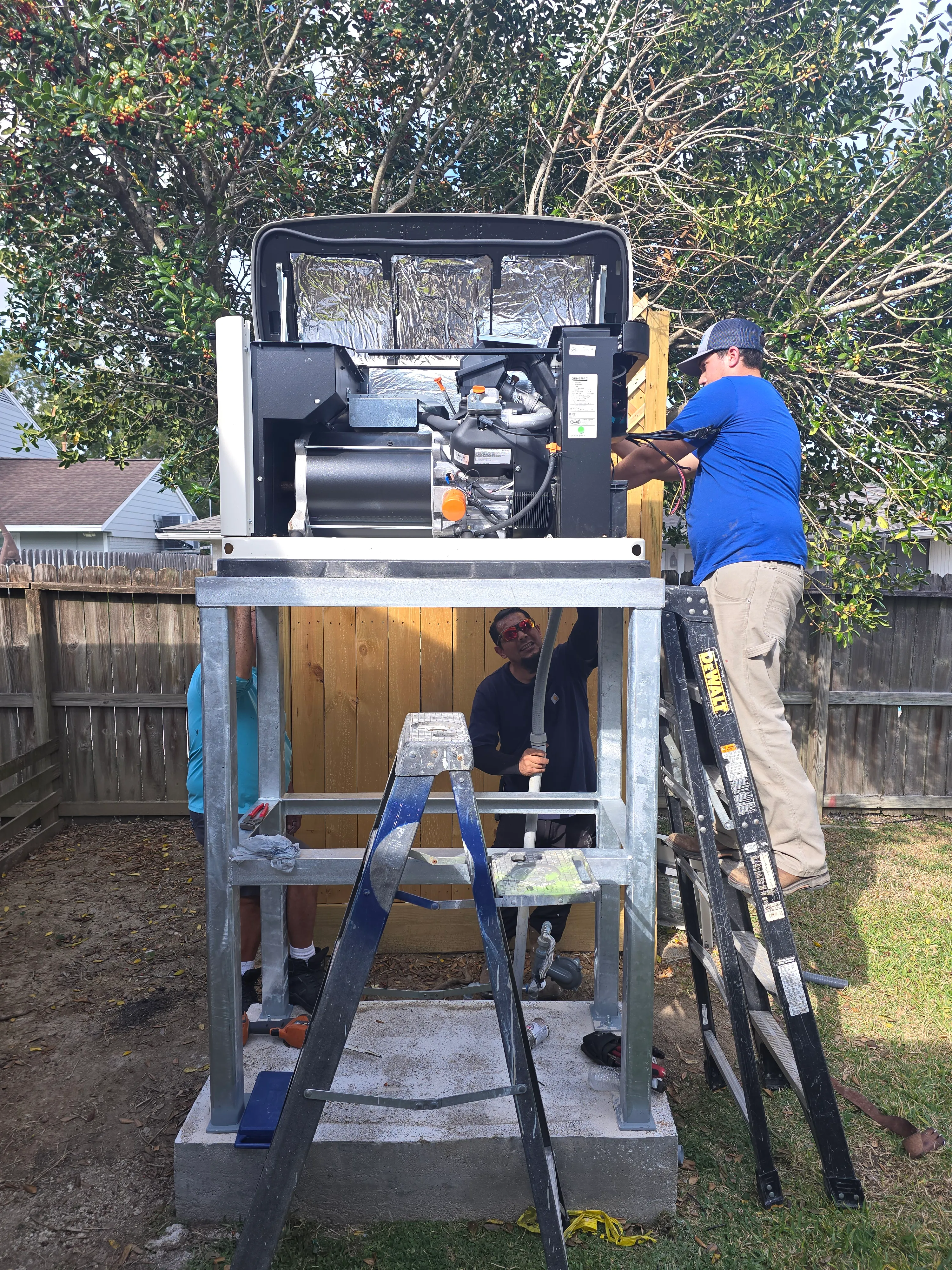
Generator placement affects safety, drainage, access, clearances, noise, and how easily the equipment can be maintained.
Step one
Start with the loads, not the generator.
A common mistake is starting with generator size before deciding what the home actually needs to keep running. The better first question is simple: during an outage, what would make the house usable, safe, and manageable?
For many Gulf Coast homeowners, that list might include the refrigerator, freezer, select lights, internet equipment, garage door opener, key kitchen circuits, and possibly HVAC-related loads. Some homes also have medical equipment, home office needs, drainage equipment, or other circuits that should be part of the conversation.
Essential-load planning
Focuses on selected circuits that matter most during an outage.
Whole-home planning
Looks at broader coverage and a more integrated standby setup.
Connection matters
The generator is only part of the system.
Whether a homeowner is considering a standby generator or a portable option, the connection to the home matters. A generator should not be tied into the electrical system casually, and it should never be used to backfeed a home through an outlet.
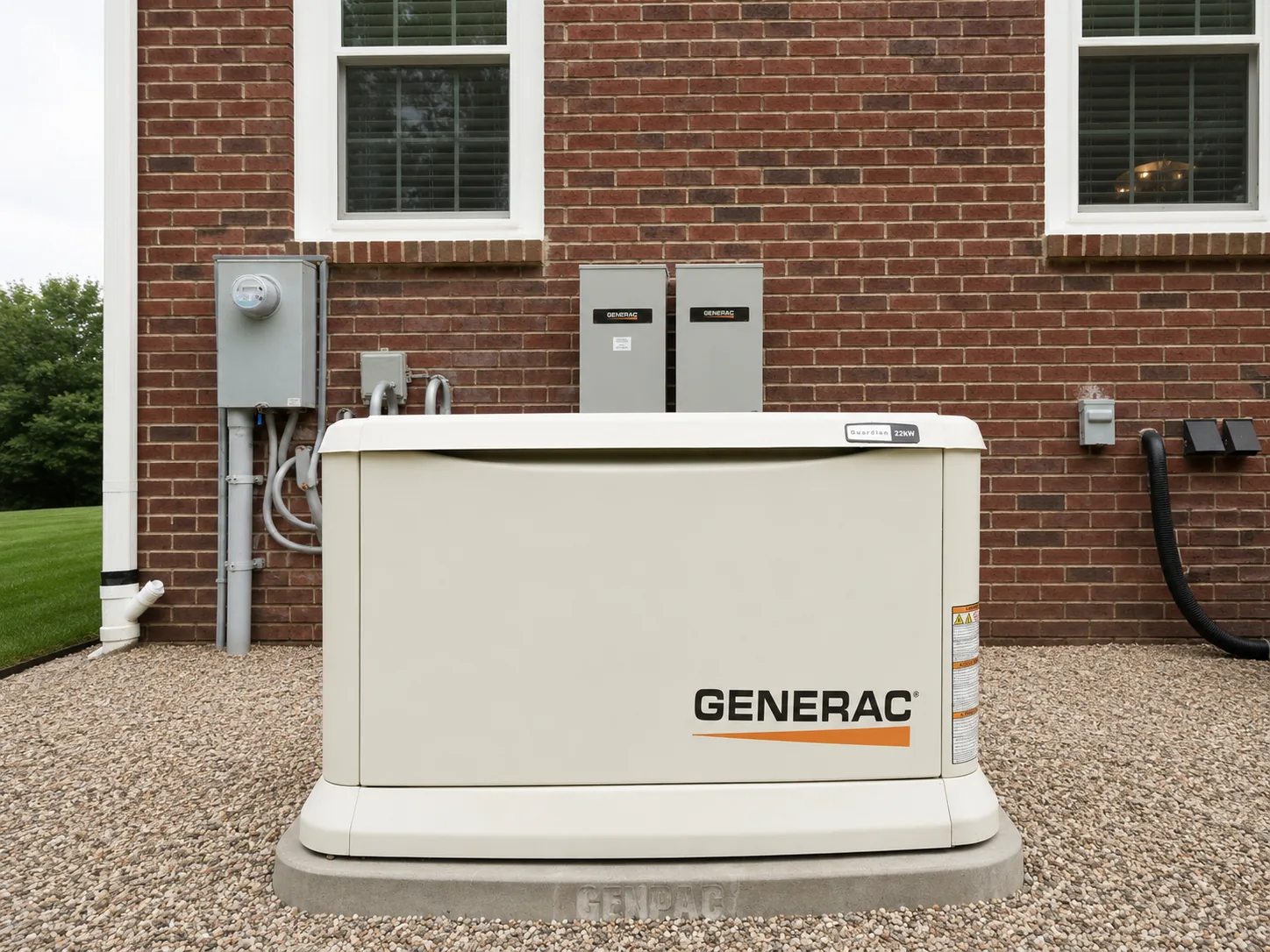
Transfer switches and approved interlock setups help separate utility power from generator power. That protects the home, the equipment, and the people working on the electrical system outside the home.
Panel labeling, circuit organization, available space, and existing wiring conditions can all affect how cleanly a generator connection can be planned.
Standby or portable
Different generator types need different planning.
Standby generator
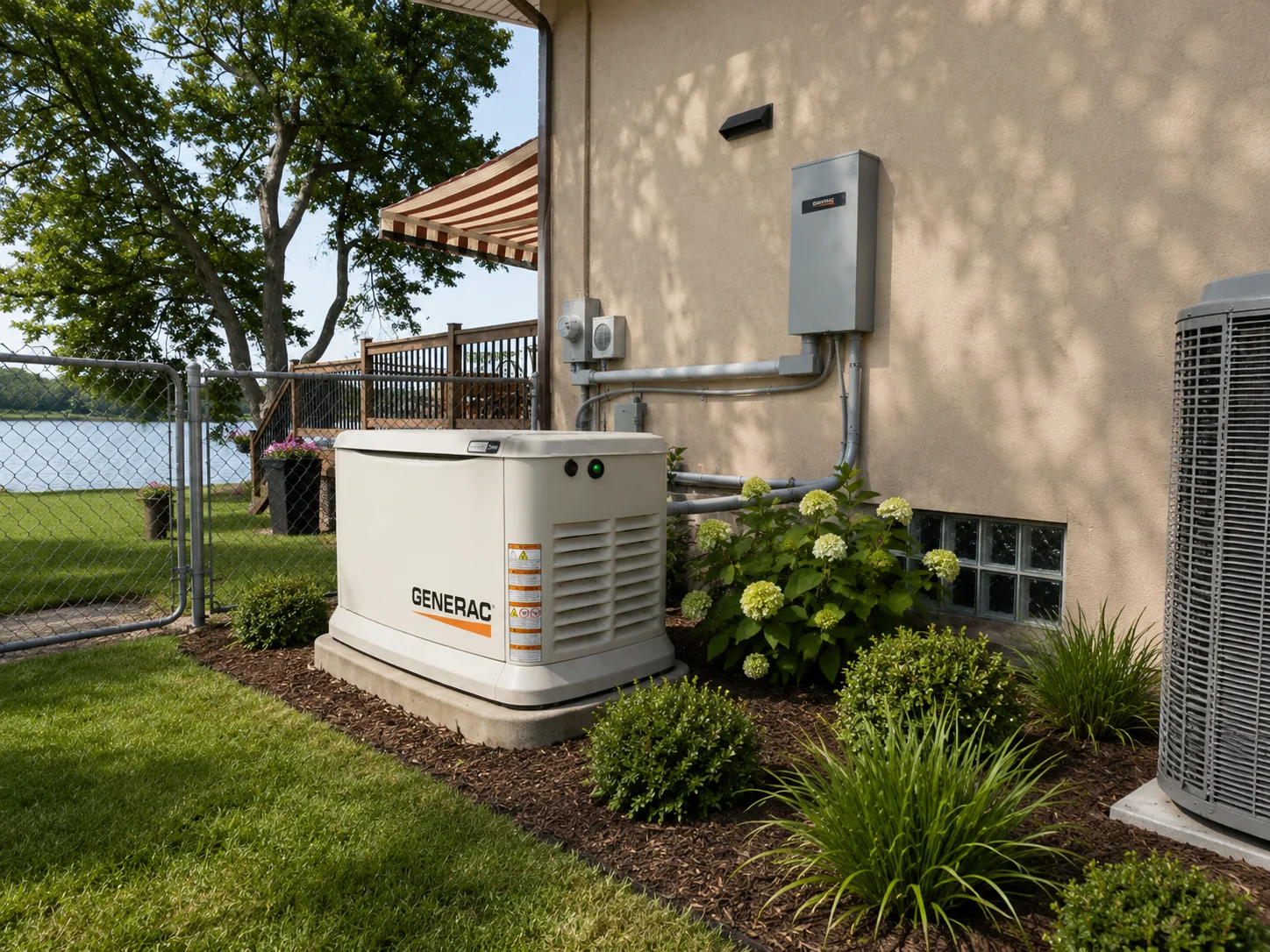
A standby generator is a permanent setup that can be planned around the home’s electrical system, transfer equipment, location, fuel source, and the circuits the homeowner wants to support.
Portable generator
A portable generator can help with selected loads, but safe outdoor placement and proper connection equipment are critical. It should never run inside a home, garage, or enclosed area.
The National Weather Service recommends keeping portable generators outside and away from doors, windows, and vents. Carbon monoxide is one of the biggest generator dangers after storms, which is why planning the setup before an outage matters.
Placement
Where the generator goes matters.
Generator location is not just about finding an open spot. The location can affect drainage, access, maintenance, sound, fuel routing, clearances, and safety around the home.
For homes around League City, Clear Lake, Friendswood, Webster, Dickinson, Seabrook, Kemah, and the surrounding Gulf Coast area, storm prep also means thinking about wind-driven rain, standing water, access paths, and whether the generator area can stay clear when the weather turns.
- Confirm safe outdoor placement.
- Keep the area clear for airflow and maintenance.
- Think through drainage and standing water.
- Review fuel source and access needs.
- Make sure the connection plan is clear.
- Keep generator instructions available before storms.
Panel readiness
Your electrical panel tells part of the story.
A generator plan depends on more than generator capacity. The condition of the panel, how circuits are labeled, whether the panel has available space, and how the home’s loads are organized can all change the best path forward.
If the panel is crowded, poorly labeled, outdated, or already showing signs of past shortcut work, that should be addressed before backup power is treated like a simple add-on.
Generator FAQ
Questions homeowners ask before storm season.
You do not need to know the full answer before calling. A good planning conversation should help narrow the right path based on your home, panel, and backup-power priorities.
When should I start planning for a generator before storm season?
Earlier is better. Planning before peak storm demand gives you time to review your panel, decide which circuits matter most, and avoid rushed electrical decisions.
Do I need a whole-home generator?
Not always. Some homes need whole-home backup, while others only need essential circuits. The right path depends on what you want to keep running during an outage.
Can a portable generator power part of my house?
Yes, but it needs to be connected safely with the right equipment. A portable generator should not be used to backfeed a home through an outlet or unsafe connection.
Where should a portable generator be placed during an outage?
Outside only, away from doors, windows, vents, garages, and living areas. Carbon monoxide is one of the biggest generator dangers after storms.
Does my electrical panel matter when planning a generator?
Yes. Panel condition, labeling, available space, and circuit organization can all affect how cleanly a generator setup can be planned.
Before the next outage
Plan backup power before storm season pressure hits.
Houston Gulf Electric helps homeowners think through generator connections, panel readiness, transfer equipment, and the details that make backup power safer and easier to use when the weather turns.