Generator Installation
Generator Installation in League City for Standby Backup Power
Generator installation should start with a clear plan for what your home or business needs to keep running. Houston Gulf Electric helps League City and Greater Houston property owners plan standby power around the circuits, equipment, and comfort or operational needs that matter during outages.
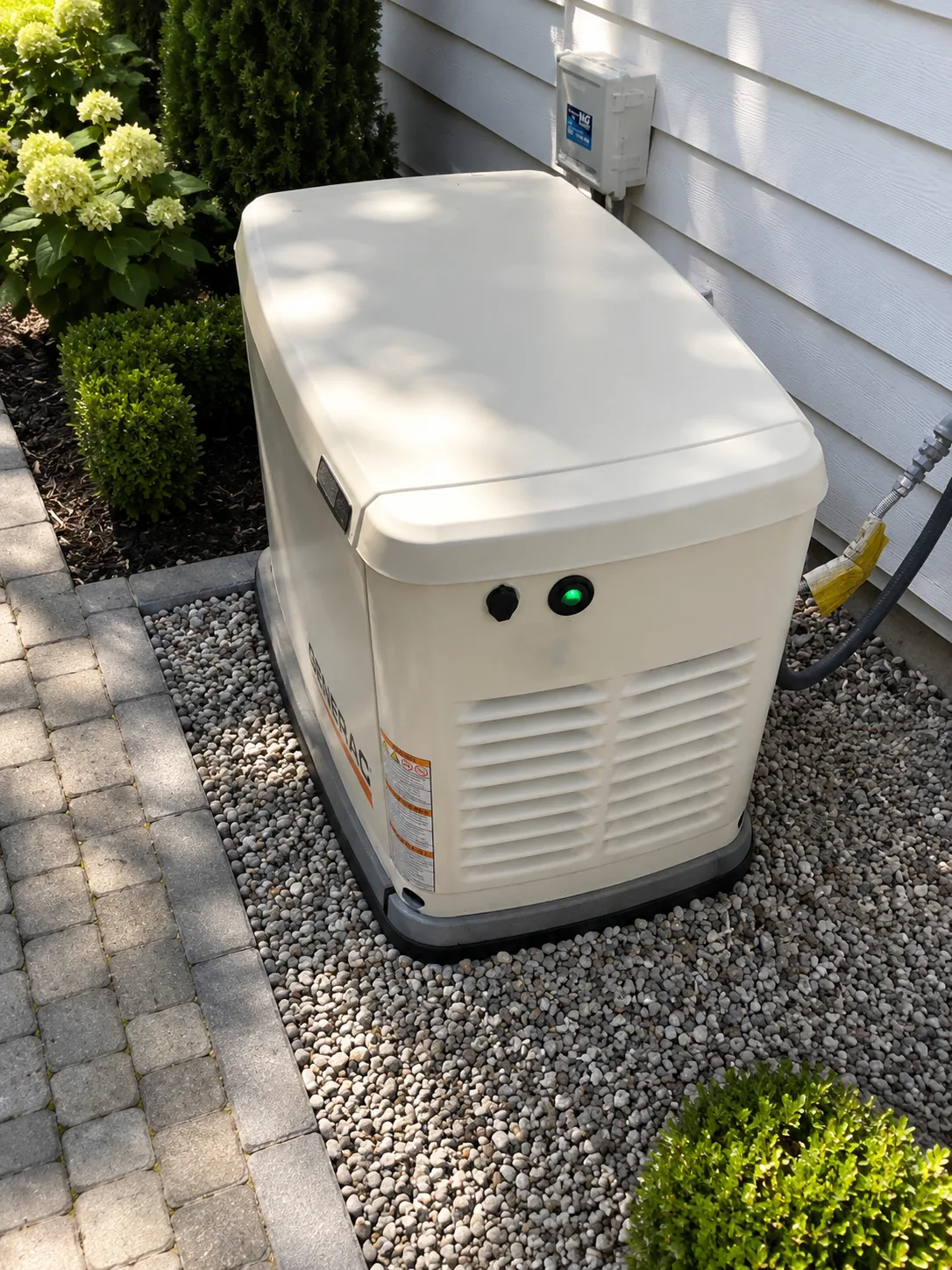
It takes load planning, transfer equipment, clean routing, labeling, and a setup that makes sense for the property.
Standby Power for League City & Greater Houston
A backup power system should protect the way your property actually runs.
Houston-area outages are not polite. They show up during storms, heat, grid strain, and the exact moment refrigeration, AC, lighting, garage access, internet, work areas, or business equipment matters most.
That is why standby power planning should start with the property, not a one-size-fits-all equipment pitch. We look at what needs to stay powered, how the panel is set up, where the unit can safely sit, and how the transfer switch should be handled.
For generator installation in League City, Clear Lake, Webster, Friendswood, Dickinson, Kemah, Seabrook, and nearby Houston-area communities, the right setup starts with the electrical details behind the equipment.
Why the Electrical Side Matters
The equipment is only one part of the system.
A clean standby power setup depends on the details behind it: the panel, transfer switch, conduit, wiring, load planning, placement, access, and labeling.
Load planning before installation
We help identify which circuits matter most so the backup system supports real needs instead of vague guesses.
Transfer switch coordination
The transfer switch is what separates standby power from unsafe backfeeding. It needs to be selected and installed correctly.
Clean routing and labeling
Wiring should be organized, protected, and labeled so the system is easier to understand later.
Storm-season practicality
We think through access, clearance, fuel coordination, panel condition, and the details that matter when outages hit.
What We Help With
Generator installation with transfer switch and standby power planning.
The goal is not just to place equipment outside. The goal is to connect the right backup power source to the right circuits, with a setup that is safe, understandable, and built around the property’s actual needs.
Residential Standby Power
Planning and electrical connection work for homeowners who want automatic backup power when the grid goes down.
- Standby unit placement planning
- Electrical connection and routing
- Panel and load review
- Transfer switch coordination
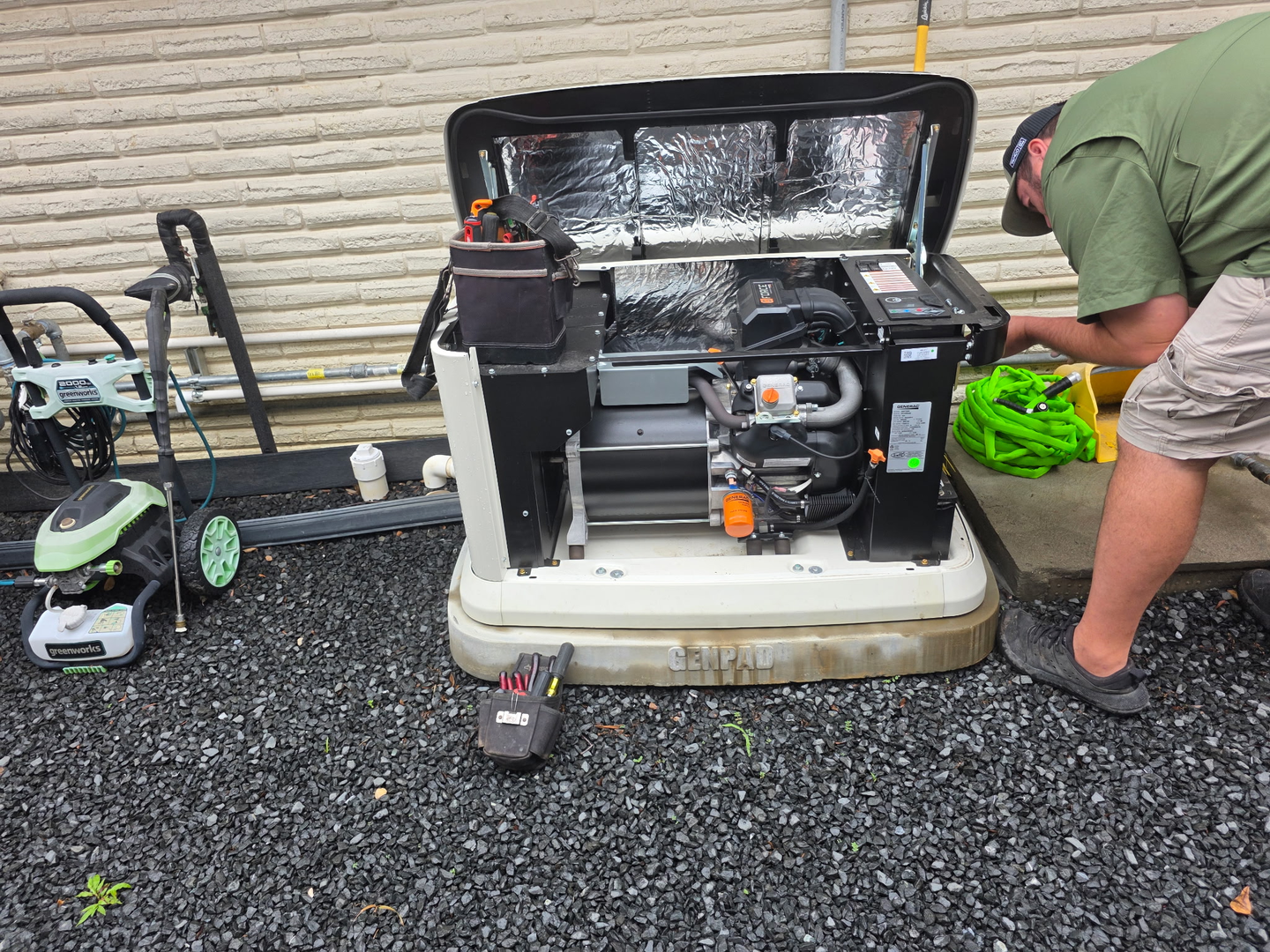
Commercial Standby Power
Backup power planning for commercial properties that need to protect operations, work areas, equipment, communications, lighting, and access during outages.
Automatic Transfer Switches
Transfer equipment is the heart of a safe backup system. It controls how the property moves between utility power and standby power.
Panel Coordination
Older, crowded, or poorly labeled panels may need attention before a standby setup makes sense. We check capacity, labeling, layout, and existing circuit organization.
View panel upgrade workStandby Power Readiness Checks
Already have a standby unit? We can look at the electrical side of the setup, transfer equipment, labeling, and visible connection points.
Troubleshooting Support
If something is not behaving right, we help narrow down whether the issue is with the backup system connection, transfer equipment, panel, circuit, or another electrical condition.
View troubleshooting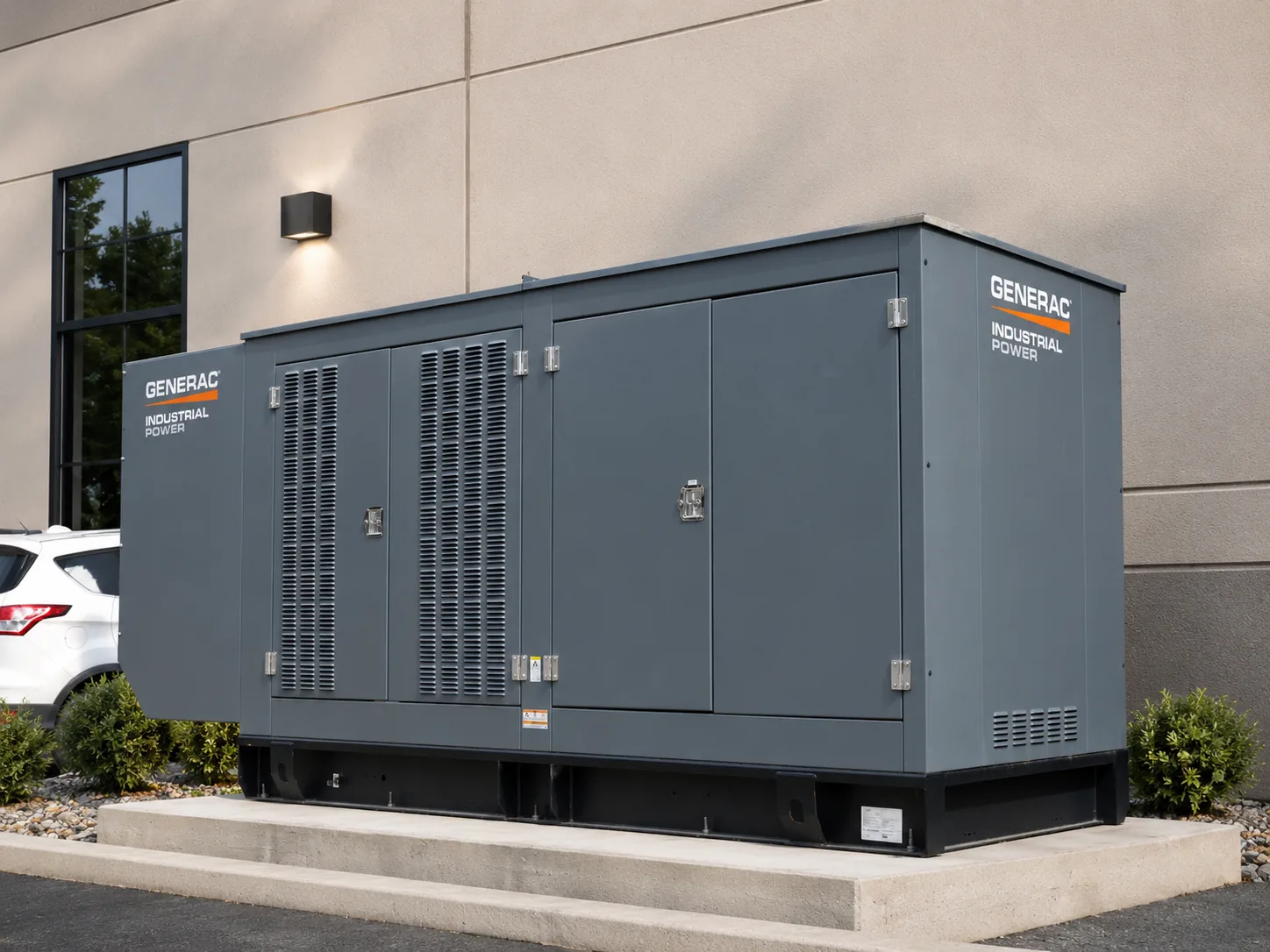
Residential & Commercial Planning
The right standby power setup starts before the equipment arrives.
A strong backup power plan should not start with guesswork. It should answer what stays on, how the transfer equipment works, where the unit belongs, and what has to be checked before installation.
Two Different Use Cases
Homes and businesses need backup power for different reasons.
The planning process changes depending on what the property needs to protect. A home may focus on comfort and daily use. A commercial property may focus on uptime, access, equipment, tenant needs, and safe shutdowns.
Residential standby generators
Home backup planning usually starts with comfort and daily function. That may include AC, refrigerator, kitchen circuits, bedroom circuits, internet, garage door access, lighting, or medical equipment.
- Whole-home or selected-circuit planning
- Transfer switch coordination
- Panel and circuit review
- Storm-season readiness
Commercial standby generators
Commercial backup planning usually starts with continuity. The goal may be keeping critical work areas, communications, access systems, refrigeration, exterior lighting, or key equipment available during an outage.
- Critical load planning
- Equipment and panel coordination
- Transfer equipment planning
- Less disruption during power outages
How the Conversation Usually Starts
Simple steps, clear expectations.
Tell us what needs to keep running
Home comfort, selected circuits, business equipment, refrigeration, internet, garage access, exterior lighting, or critical work areas.
We review the electrical setup
Panel condition, transfer switch needs, circuit organization, routing, placement, and whether any prep work should happen first.
You get a practical path forward
We explain what needs to happen, what decisions matter, and how the standby setup connects to the rest of the property.
Local Proof
Backup power is easier to trust when the workmanship is visible.
Standby power work is not the place for mystery wiring or rushed decisions. Look through local feedback, past work, and nearby project photos so the next step feels less like a gamble.
See what local customers are saying.
Add the live EZlocal review widget here, or keep this as a styled proof card until the widget is placed.
Generator FAQs
Common questions before storm season.
These questions are written for property owners who know they need backup power, but are not sure where the electrical work begins.
Do I need whole-home backup power or selected-circuit coverage?
That depends on what you want to keep running. Some homes need broad coverage, while others only need key circuits like refrigeration, lighting, internet, garage access, and comfort equipment. We help you think through the load before the setup is planned.
Can commercial properties use standby backup power too?
Yes. Commercial standby power can be planned around critical loads, work areas, access systems, lighting, communication equipment, refrigeration, or other systems that support day-to-day operations during outages.
What does an automatic transfer switch do?
A transfer switch controls how the property moves between utility power and standby power. It helps prevent unsafe backfeeding and keeps the backup power system separated from the grid.
Can my current electrical panel support a standby setup?
Sometimes yes, sometimes the panel needs attention first. We look at panel condition, available space, labeling, circuit layout, and whether the setup requires additional prep.
Do you work on Generac standby generator setups?
Yes. Houston Gulf Electric helps with Generac standby generator electrical planning, transfer switch work, connection planning, and related electrical setup for residential and commercial properties.
How much does generator installation usually depend on?
Generator installation cost depends on the unit size, transfer switch setup, panel condition, circuit needs, placement, routing, fuel source, and any prep work required before the system can be connected safely.
When should I start planning backup power work?
Before the storm forecast turns into a countdown. Standby power work involves equipment, electrical planning, placement, and coordination, so it is better to start while there is time to make clean decisions.
Ready Before the Next Outage
Let’s talk through the standby power setup your property actually needs.
Tell us what you want to keep powered, what type of equipment you are considering, and what your current panel looks like. We will help you sort out the next right step.