Electrical Tips
Builder Grade Electrical Materials: What Homeowners Should Know
Builder grade materials are common in new construction because they help a home get completed, inspected, and sold. That does not automatically mean they are unsafe or poorly installed. It usually means the job was built to meet the requirement.
At Houston Gulf Electric, we care about what happens after the inspection is over: whether the work stays safe, clean, organized, and dependable years later.
The Real Meaning
Builder Grade Does Not Always Mean Bad
“Builder grade” usually refers to materials selected for cost efficiency, availability, and speed. They are used because they are approved for the job and help keep a project moving.
The concern is not that every builder grade part is wrong. The concern is that minimum-standard materials are not always the best long-term choice for the way a home actually gets used after move-in.
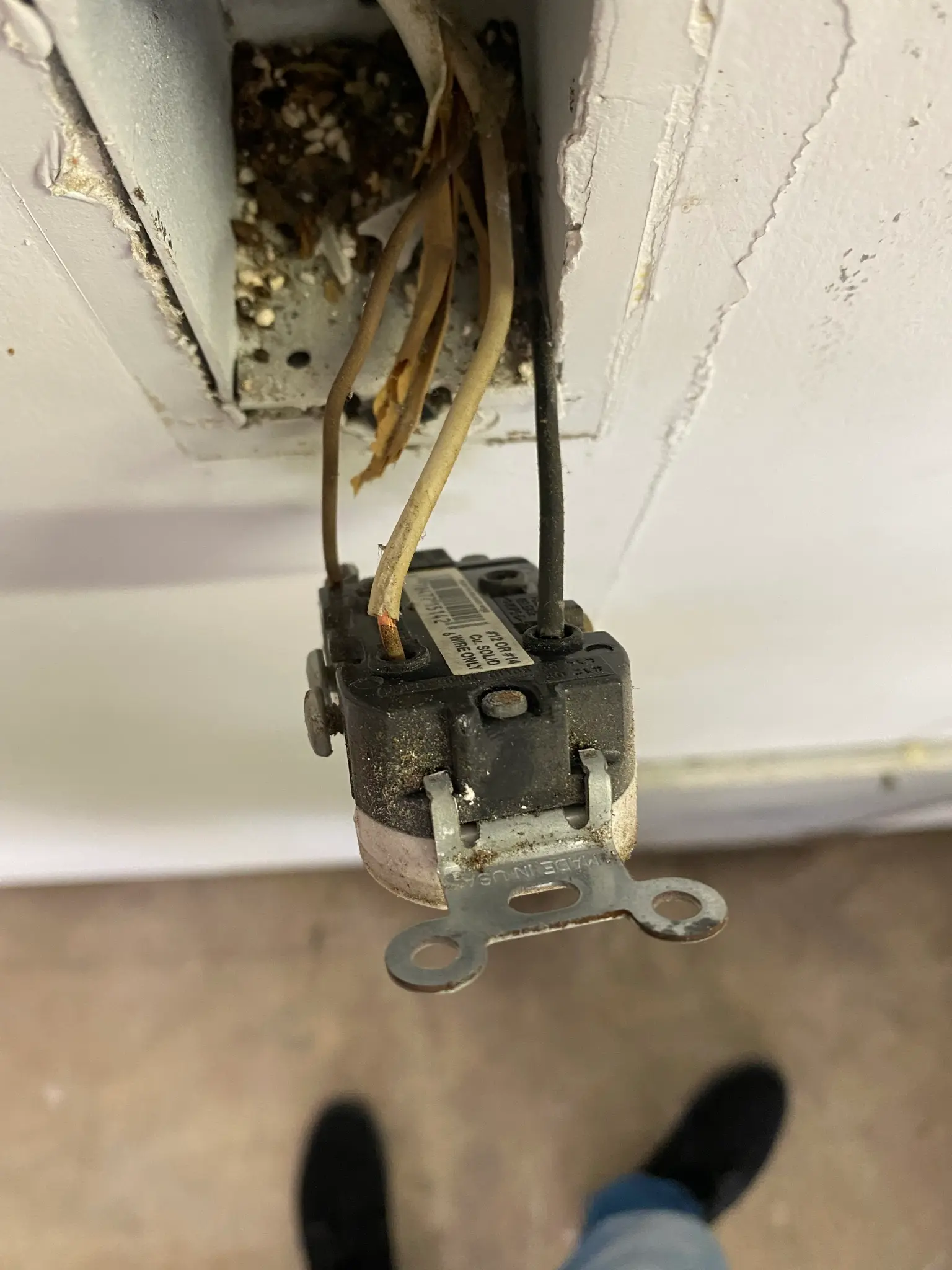
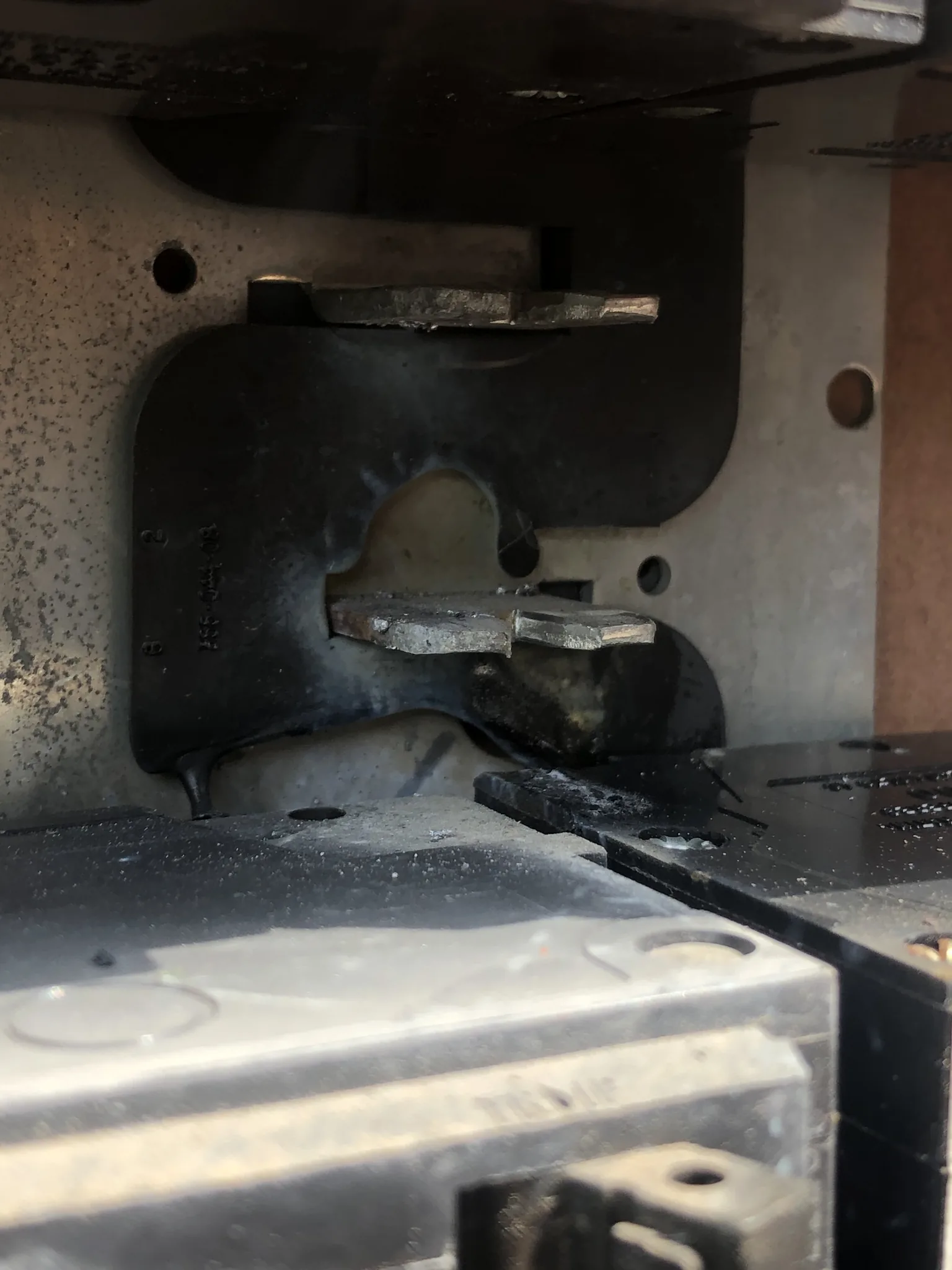
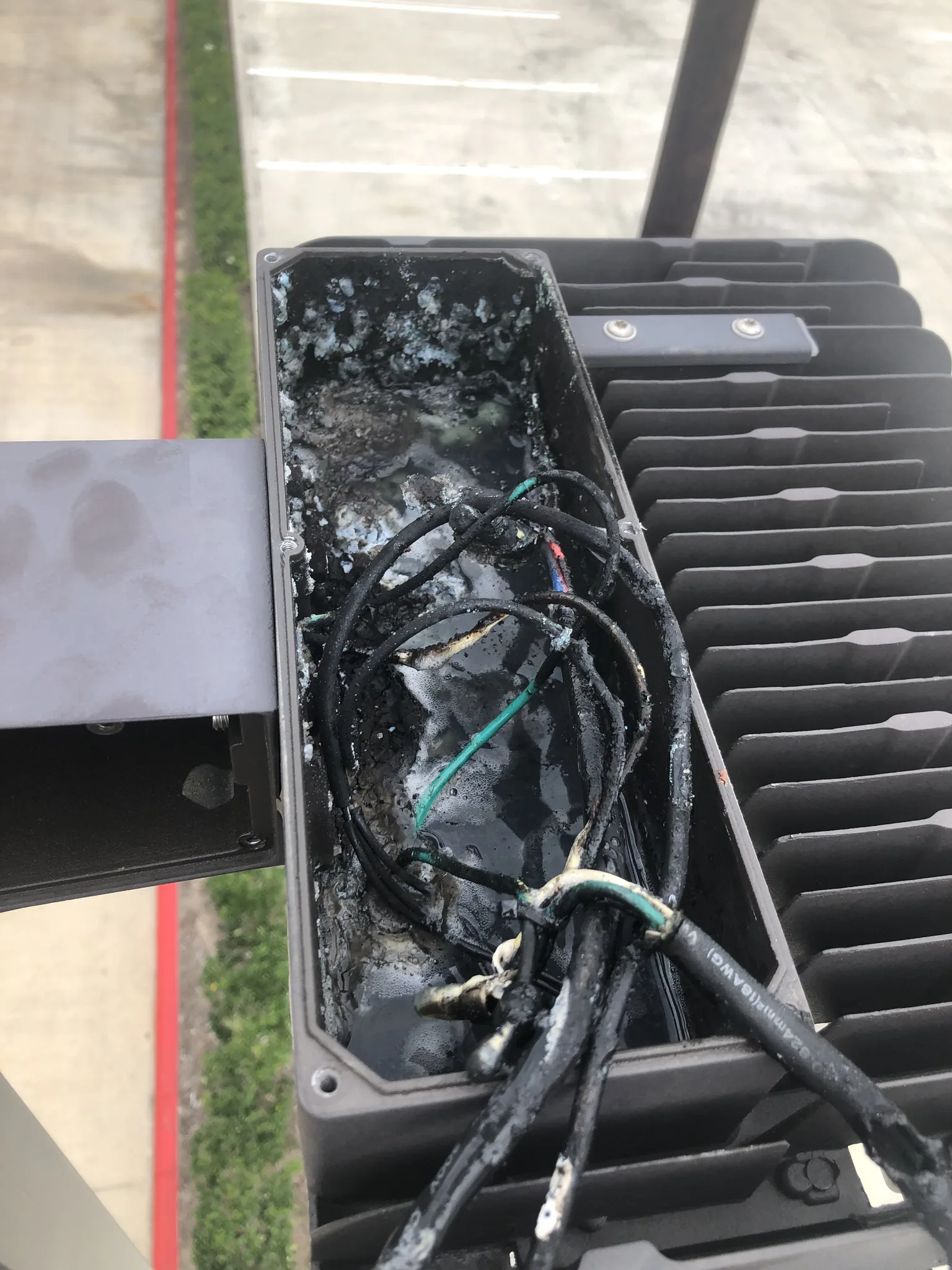
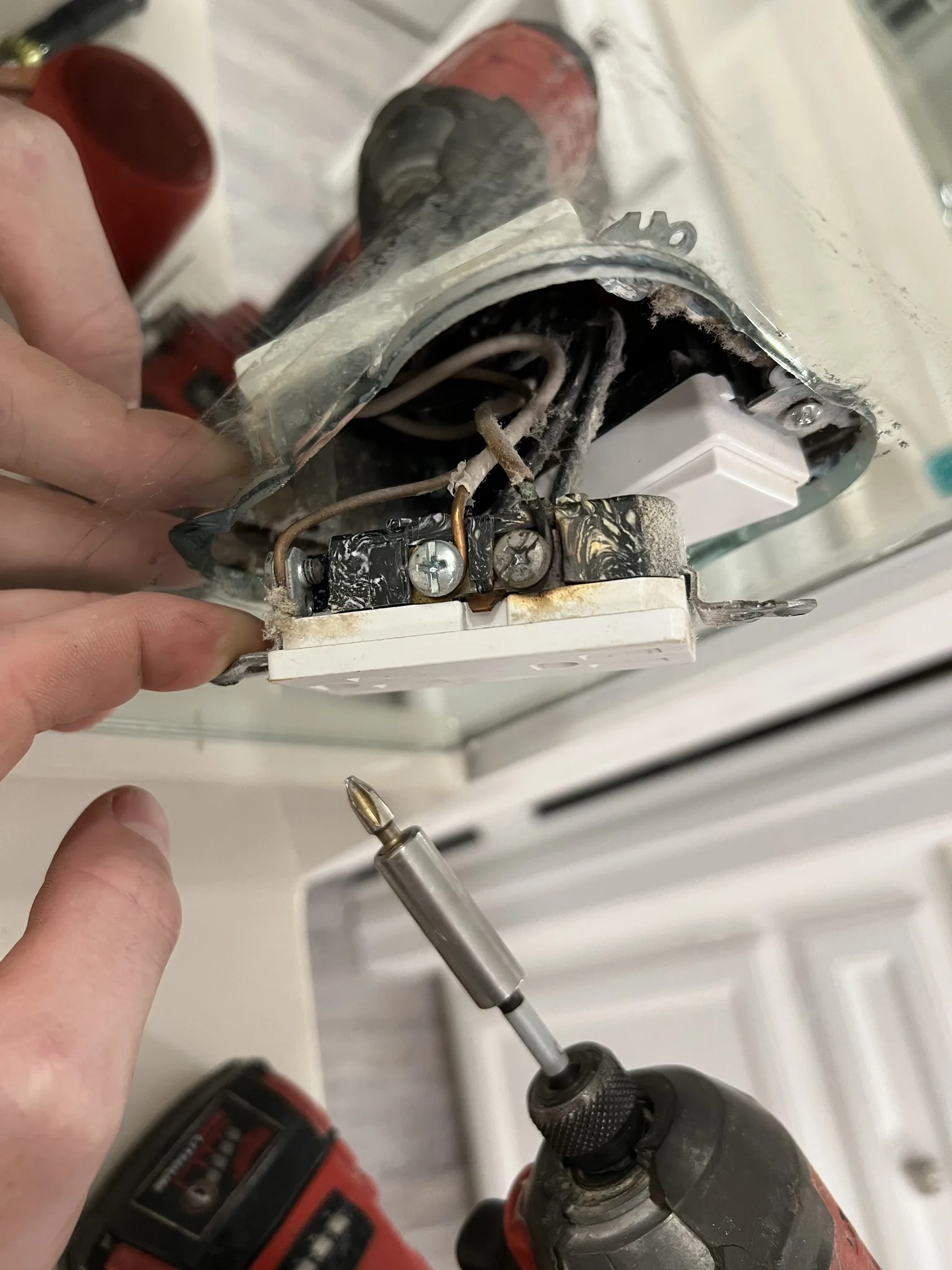
That difference can show up years later through loose outlets, flickering lights, weak device connections, outdoor moisture problems, messy labeling, or equipment that is harder to troubleshoot than it should be.
Where It Shows Up
Small Electrical Details Can Become Big Annoyances
Most homeowners do not think about electrical materials until something starts acting strange. These photos show the kind of details that are easy to ignore when everything is covered up, but matter when it is time to diagnose a problem.
Why Quality Matters
Electrical Materials Deal With Heat, Current, Movement, and Exposure
A light switch or outlet may seem simple from the outside, but electrical components are asked to perform every day. They carry load, hold connections, resist heat, and stay secure through years of normal use.
The goal is not to turn every repair into the most expensive option on the shelf. The goal is to choose materials that match the job, the environment, and the homeowner’s long-term needs.
Better choices can help with:
- Secure device connections
- Cleaner troubleshooting later
- Improved outdoor durability
- Better panel organization
- Safer, more dependable operation
- Work that makes sense when it needs to be serviced again
Workmanship Still Wins
Good Materials Still Need Clean Electrical Work
A better outlet, switch, breaker, panel, connector, or fixture cannot make up for sloppy work. Electrical materials only do their job when they are installed correctly.
That is why we pay attention to clean layout, secure connections, proper labeling, and work that can be understood later. A neat panel or clean device install is not just about appearance. It makes the system easier to service and less frustrating when something needs attention.
No mystery wires. No guessing games. No “we’ll figure it out later.”
When to Take a Closer Look
Signs Your Home May Be Ready for an Electrical Check
You may not need to replace every builder grade component in your home. But if something feels loose, inconsistent, warm, damaged, or hard to understand, it is worth having the issue looked at before it turns into a larger problem.
- Outlets feel loose or plugs fall out easily
- Lights flicker, dim, or behave unpredictably
- Breakers trip repeatedly
- Switches feel loose, warm, or inconsistent
- Outdoor boxes or fixtures show moisture damage
- The panel is poorly labeled or difficult to understand
- You are adding equipment, appliances, lighting, or a generator
- You recently bought the home and want a clearer picture of the electrical system
Related Electrical Work
Choose the Right Next Step
Builder grade concerns can show up in different parts of the home. These are the most common paths homeowners use when they want the issue handled cleanly.
Residential Electrical
Outlets, switches, lighting, circuits, remodel wiring, and everyday home electrical needs.
02Panel Upgrades
Panel organization, capacity planning, labeling, and safer distribution for future electrical needs.
03Lighting
Interior, exterior, task, accent, and outdoor lighting planned around how the space is actually used.
04Troubleshooting
Flickering lights, dead outlets, tripping breakers, and electrical symptoms that need the real cause found.
FAQ
Builder Grade Electrical Questions
Are builder grade electrical materials unsafe?
Not automatically. Builder grade materials are commonly used because they meet basic requirements for the job. The concern is whether the material and installation quality are the best fit for long-term use, the environment, and the way the home is being used.
Should I replace every builder grade outlet or switch?
Usually, no. A better starting point is to look for symptoms: loose outlets, worn devices, flickering lights, warm switches, repeated breaker trips, or signs of moisture around outdoor equipment.
Why do outdoor electrical components fail sooner?
Outdoor electrical work has to deal with moisture, heat, humidity, sunlight, insects, and physical exposure. The right enclosure, fittings, seals, and installation details are important.
Can builder grade materials make troubleshooting harder?
They can, especially when paired with rushed wiring, poor labeling, crowded boxes, or unclear panel organization. Clean work makes future troubleshooting easier and safer.
When should I call Houston Gulf Electric?
If you have loose outlets, flickering lights, repeated breaker trips, outdoor electrical damage, panel concerns, or an electrical issue that does not feel right, Houston Gulf Electric can help you understand what is happening and what the next step should be.
Houston Gulf Electric
Concerned About What Is Behind the Cover Plate?
If something in your home feels loose, unreliable, damaged, or poorly finished, we can take a closer look and explain the repair path clearly.